Do You Need a Night Guard?
If you wake up with jaw soreness, headaches, or notice your teeth look flatter or more worn than they used to, nighttime grinding or clenching may be the cause.
Many adults in Carrollton experience these symptoms without realizing they are stressing their teeth while they sleep.
A professionally made night guard can help protect your teeth, reduce strain on your jaw muscles, and limit further damage caused by bruxism or clenching.
You may benefit from a night guard if you experience signs of grinding or clenching during sleep.
A dental night guard creates a protective barrier between your upper and lower teeth, helping to absorb pressure and reduce direct tooth-to-tooth contact.
A night guard is often recommended if you notice symptoms such as morning jaw tightness, frequent headaches upon waking, tooth sensitivity without a clear cause, cracked or worn fillings, flattened tooth edges, or a sleep partner who hears grinding sounds at night.
Grinding and clenching, also known as bruxism, often happen during sleep without conscious awareness.
Even if the underlying cause continues, a night guard helps protect teeth and restorations from ongoing damage.
Evaluation becomes especially important if you have repeated tooth fractures, loose teeth, significant jaw pain, or frequent morning headaches.
What Causes Nighttime Grinding and Clenching
Teeth grinding and clenching can have multiple contributing factors rather than a single cause.
Common contributors include stress and anxiety, changes in sleep quality, bite alignment issues, stimulants such as caffeine, certain medications, and airway or breathing concerns during sleep.
Many people do not realize they grind or clench because it occurs during sleep.
Grinding typically involves side-to-side movement that wears down enamel, while clenching involves sustained force with little movement, which can overload teeth and jaw muscles.
A night guard is designed to protect teeth and reduce strain, but it is not always a cure for the habit itself.
Addressing stress, sleep quality, and bite factors may complement night guard use and improve long-term comfort.
Problems a Night Guard Helps Prevent
Without protection, nighttime grinding and clenching can gradually damage teeth and supporting structures. A night guard helps reduce the risk of several common problems.
- Tooth wear that leads to flattened edges, chips, cracks, or broken fillings and crowns.
- Increased tooth sensitivity caused by micro-fractures and enamel thinning.
- Jaw muscle fatigue and flare-ups of TMJ-related discomfort in some patients.
- Damage to cosmetic and restorative dental work such as veneers, bonding, and crowns.
Types of Night Guards and Which One You Might Need
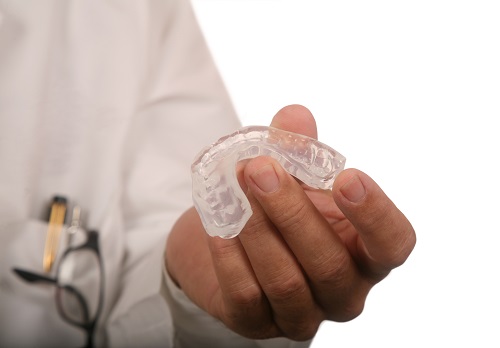 Dental night guards are not one-size-fits-all.
Custom night guards are made from precise impressions or digital scans to fit your teeth and bite accurately.
Common types include hard guards designed for heavy grinders, dual-laminate guards with a firm exterior and softer interior, and soft guards sometimes used for mild clenching.
The choice depends on your grinding pattern, jaw symptoms, and existing dental work.
Our dentist will decide whether an upper or lower guard is most appropriate based on bite alignment, comfort, gag reflex, and restorations.
Store-bought guards can be bulky, fit poorly, and create uneven contact that leads to soreness or bite changes.
Proper fit allows forces to be distributed evenly and reduces pressure on specific teeth.
What to Expect at a Night Guard Consultation
A night guard visit typically begins with a comprehensive dental exam.
The dentist checks wear patterns, bite alignment, gum health, and existing restorations to determine whether a guard is appropriate.
Records are taken using digital scans or impressions, along with a bite registration to ensure even contact.
At the delivery appointment, the guard is checked for fit and comfort, adjusted as needed, and care instructions are provided.
Adjustments may feel like light polishing or smoothing and are important for comfort and effectiveness.
Some patients require minor refinements after a few nights of wear once the guard settles into regular use.
How to Wear, Clean, and Maintain Your Night Guard
Proper use and care affect both comfort and longevity. Most patients are advised to wear their night guard every night unless directed otherwise.
If new pain or discomfort develops, it is important to stop wearing it and contact the dental office.
Cleaning should involve gentle brushing with a non-abrasive cleaner and rinsing with cool water.
Hot water should be avoided because it can warp the material. The guard should be stored in a ventilated case, away from heat and pets.
Signs that a guard needs adjustment include new soreness, uneven contact, or changes in how your bite feels.
Replacement may be needed if the guard develops cracks, warping, persistent odor, or no longer fits properly.
Night Guard FAQ
How Long Does it Take to Get Used to Wearing a Night Guard?
Most people adjust within a few nights to a couple of weeks. Minor awareness or extra saliva is common at first and usually improves with consistent use.
Can I Wear a Night Guard if I Have Crowns, Veneers, Implants, or Braces?
It depends on your specific dental work and bite. An exam is needed to determine the safest and most effective design.
Can a Night Guard Change My Bite?
Poorly fitted guards can cause bite changes. Custom-made guards are designed to minimize this risk and are adjusted to ensure even contact.
What if I Snore or Suspect Sleep Breathing Issues?
Snoring or breathing concerns should be discussed during your visit. Screening or referrals may be recommended if airway issues are suspected.
Why Choose For You Dental for Night Guards?
Working with our local Carrollton dentist allows for a personalized approach based on your teeth, restorations, and symptoms.
Custom fitting and bite balancing help improve comfort and effectiveness, and adjustments can be made quickly if discomfort occurs.
Ongoing monitoring during routine visits helps track wear and prevent progression.
Care can also be coordinated with preventive, restorative, or TMJ-related treatment when needed.
Our practice serves patients throughout Carrollton neighborhoods, offering convenient appointments and continuity of care.
Schedule a Night Guard Consultation Today!
If you suspect nighttime grinding or clenching, a dental exam can determine whether a night guard is appropriate and which type best fits your needs.
During the visit, you can discuss timing, material options, comfort concerns, and what results to expect.
You can call the office to schedule an appointment or request a consultation for a custom night guard evaluation at (972) 391-8792.
Insurance questions and benefit checks can also be reviewed directly with the office during scheduling.